
Finding the cheapest online key isn't "cost-effective software licensing" for small-sized companies. Strategic investment is the key to minimizing long-term risks, ensuring compliance and growing with. An unintentional mix of grey market `windows 11 oem` keys and standalone `office license purchase" makes for a weak, ineffective IT infrastructure that is insecure and unstable. Cost-effectiveness is only attained by understanding the interdependencies between Windows licensing, Office subscribtions, and security tools. This guide goes far beyond just comparing costs to examine the ten most important factors to consider when creating a sustainable professional, professional and ultimately cost-effective enterprise software system.
1. The Basic Rule: Windows 11 Home Has No Use in Business.
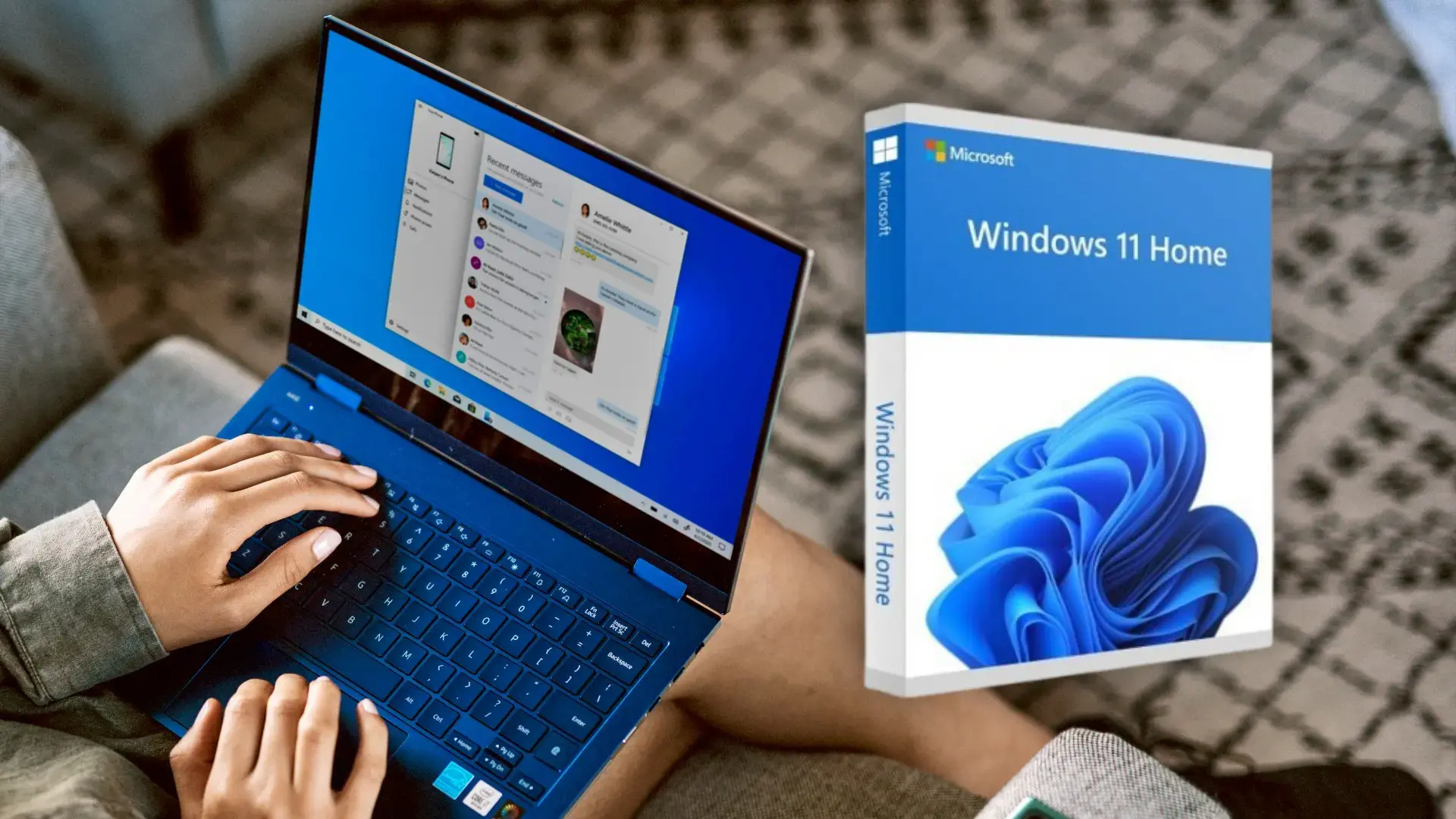
The most frequent and costly error is to purchase a low-cost windows 11 home key to use on a business computer. Windows 11 Home can't join an Active Directory, Azure AD or Group Policy domain. BitLocker encryption isn't offered for sensitive data. It also has the ability to force disruptive updates. Windows 11 Pro must be installed on every machine used to manage business data. The small upfront cost compared to Home is not to be negotiated in terms of security, management and professionalism. Businesses operating under Home licenses is using a consumer grade infrastructure, which is an important liability.
2. Calculator to calculate "Hardware Refresh".
When you buy Windows 11 for business The OEM is superior to the retail. Retail decision has long-term financial implications. A OEM license is less expensive upfront but dies with the first PC it's installed on. A retail license can be transferred. OEM is ideal for low-cost PCs that you replace in full every 3-4 years. Retail licenses work well for high-end workstations and if you're attempting to upgrade individual components. Determine your Total Cost of Ownership (TCO). For instance If the lifecycle of your PC costs $800, and the OEM Pro license cost $140 in comparison to. retail at $200 60 Retail upgrades is a cheap insurance plan against the possibility of hardware decommissioning in the future.
3. Microsoft 365: The Ecosystem That Delivers Cost-Effectiveness Really Lives.
For companies that are dynamic The era of an office licensing purchase (like Office 2021) is over. Microsoft 365 Premium Business (approx. The most often, the bundle that is most cost-effective is Microsoft 365 Business. It includes: Windows 11 Pro upgrade rights (solving your `windows 11 lizenz kaufen` need), the full Office suite, 1TB OneDrive cloud storage, business-class email, and–crucially–Intune for device management and Azure AD for identity. The single subscription allows you to modernize and legitimize your entire desktop setup. It also provides management tools that aren't available in standalone applications. IT transforms from a capital expense (CapEx) into an operational expense that is predictable (OpEx).
4. Windows 7 Upgrade: Compliance and Security Mandates
Businesses who cling on the old version of "Windows 7" are sitting atop a time bomb of unsupported applications. It's not just about new features. It is an obligation for compliance and security. It's crucial to realize that the best way to proceed doesn't require you to purchase a Windows11 license. It's an excellent time to reconsider your approach to software. Microsoft 365 Business subscriptions modernize security. They allow cloud backups as well as remote work. Cost is a subscription and not only an OS key.
5. Understanding the "CAL" Shadow Cost for Future Growth.
You should plan for Client Access Licenses if you plan to use an on-premises system, such as Windows server 2025, to share files, databases or line-of business applications. A CAL is required for each device or user accessing the server. This is an additional cost for your windows11 pro desktop licensing. Small businesses planning for growth must include CALs in their budgeting long-term. Windows 11 Home, which is not legal to access Windows Servers within a business context, or access that is not licensed is a major chance of not being in compliance during the software audit.
6. Bundling is different from. best-of-breed: Integration of Security.
The degree of complexity of your license is determined by whether you choose Windows Defender (included), or a third-party suite such as kaspersky Premium or norton360. Microsoft 365 Business Premium comes with enhanced Defender security, and central threat management. A third-party option may be redundant. It will add cost and administration overhead. Consistency, on the other hand is vital in the event that, for instance you have to comply with certain regulations or if a specific console made by a third party is preferred. The licensing of one solution across all workstations is more cost-effective and manageable than a patchwork. In the field of security, the "cost" is usually the time it takes to manage several systems, not the subscription fees.
7. Grey Market Trap – False market economy in licensing
You will find prices that are too good to be true when you search non-official marketplaces such as "office lizenz" as well as "windows 11. These are usually large licenses or OEM keys that violate the conditions of service. It is also possible to find keys from different countries. Microsoft can deactivate your keys, leaving insecure, non-licensed software. There are fines that can be imposed during an audit. This represents a high-risk situation for companies. If you're looking to get the most value for your money, purchase through an authorized reseller or via the Microsoft Cloud Solution Provider program. The purchaser will receive complete support and upgrade rights.
8. Perpetual office 2021 The Perpetual Office 2021 is a Niche for Static Air-Gapped Scenarios
Office Professional, e.g. 2021) is a permanent standalone license, which has only a small business case. The standalone perpetual office lizenz (e.g. Office Professional 2021) is still a narrow business case. It is not a common occurrence. Subscription models are more useful for small companies that need collaboration (Teams and SharePoint), cloud storage, mobile access etc. The "cost" is software that slows down, as well as productivity gains that are missed through cloud services.
9. Modeling your mobility: Device-Based vs. User Licensing.
The licensing model is traditional (one Windows OEM for each PC). Microsoft 365 uses a user-based licensing model. One user license is valid for up to 5 devices, including PC, Mac, tablet and phone. This is a cost-effective solution for businesses with mobile employees as well as hybrid workers who offer laptops and desktop. The individual is licensed and not the machine. Choose your licensing strategy based on your actual workforce's mobility. If you compare it to a model that relies on hard-to-move devices, a subscription based on the user will drastically reduce the number of licenses you need.
10. Designing an Coherent Stack to be Audit-Ready.
The goal of a small business is having a legally-sound and well-documented software stack. Microsoft 365 Business (per user), Windows 11 Pro, Office Management and Security as well as OEM or Retail Windows 11 Pro licenses, for devices that aren't covered by subscriptions (e.g. dedicated kiosks) is the most economical solution for small-scale businesses. This platform provides audit-ready capabilities as well as scalable and predictable. The hidden costs of chaos are the "costs" that this stack eliminates that are caused by incompatible systems as well as data loss caused by inadequate security; and the risk of legal liability arising from non-compliance. Have a look at the best windows 7 for site examples including key 365 office, product keys, windows server 2016 os, ms project, windows office software, visio download, microsoft office software key, office 2016, windows server 2016, windows server 2019 and more.
Software Licensing Has Changed From One-Time Purchases To Subscriptions.
The experience of buying the windows 7 DVD inside a box, to subscribing to services like Microsoft 365 represents one of the most fundamental shifts in the world of digital. This is not a simple shift in the payment system and rather a major shift in the interaction between users and software. This has implications for security, efficiency, and the cost of ownership. The old paradigm–exemplified by a one-time `office lizenz kaufen` or an `windows 11 oem` key tied to hardware–valued static ownership and predictable, upfront capital expenditure. The current model, as illustrated by subscriptions for Windows (via Microsoft 365) as well as kaspersky premium and norton 360 offers that enduring quality in exchange for ongoing updates, cloud integration and a shift from operating expense. Understanding this evolution lets you navigate modern licensing, avoid the dangers of gray market keys (windows purchase of lizenz) and make the right choices that are in line with the way software functions today.
1. The Security Imperative was the primary driving factor behind the transformation.
The static, one-time purchase model collapsed under the weight of modern cybersecurity threats. Perpetual office licenses or old windows licenses are susceptible to threats that have evolved beyond the original concept. Subscription plans align vendors with users' ongoing security. Microsoft must keep updating Defender or Office 365 continuously to justify the cost of a monthly subscription. Norton, Kaspersky and other companies must also include new features to ensure your loyalty. The old model created cliffs at the end of support (like Windows 7), whereas subscriptions create a continually maintained security border.
2. From Product to Platform From Product to Platform: The Ecosystem Lock-In.
The product was bought once. A platform is a subscription. Windows Home Key gives users the operating system. Microsoft 365 Business includes Windows 11 (with rights to upgrade), Office, OneDrive Teams, SharePoint and Intune Device Management. The real value lies in the seamless integration. This results in a powerful lock-in however, it also provides a tremendous functionality and convenience that a collection of different perpetual licenses (`windows 11 lizenz`, office lizenz, and a separate backup) could never achieve. The license is not based on the device, but instead the user.
3. Existential Crisis in the Grey Market
The subscription model has an inherent repulsion towards the dark market that is awash in windows11 purchase scams. The subscription key acts as a proof of identity to access an account, not simply a string of static characters. It expires, and is tied to billing. It's nearly impossible to resell illegally the same way that Volume License or OEM keys are. The rise of subscriptions is gradually taking over the key-reseller market, pushing users towards legitimate channels or relegating them to insecure, outdated perpetual versions.
4. Business Accounting Revolution: Predictable OpEx and Lump-Sum CapEx.
This shift allows businesses to transition from software being considered a Capital Expenditure (CapEx) that is an expensive, scarce, and huge expense that is depreciated over time in the future – to a predictable ongoing cost. It is a liberating move for small business, as it increases cash flow. However, it also changes the way you budget. You must now account for the ongoing cost of calsfor your Windows Server 2025and per-user monthly fees for productivity and security suites. A subscription's total price may be more expensive than a one-time charge, but is accompanied by support and constant development that was not provided in the prior model.
5. The "Hybrid Model" and its conundrums: Windows 11's Dual Nature.
Windows 11 is the only operating system that can be used in both periods. It is possible to purchase an OEM license for Windows 11 once (the legacy model). Microsoft 365 Business/Enterprise subscriptions (the modern version) include this benefit. This hybrid situation can be confusing. Windows' "subscription" is not the OS as it was previously considered to be. It's the right to always use the latest version of the OS using the cloud management service. There are two types of users created by this: those who own a snapshot (Windows 11-24H2) as well as those who lease an constantly up-to-date service.
6. Third-Party Safety Suites Were Pioneers
Norton 360 (kaspersky premium) and Kaspersky were among the first adopters of the subscription model. They relied on latest threat definitions. They swiftly switched from selling a 3-year license to a subscription with auto-renewal, bundling additional services like VPNs or password management. This enhanced the value proposition for each month while reducing churn. Their model presaged the wider market shift.
7. The Server-Side Parallel: Cals as the original "User Subscription".
Client Access Licenses for Windows Server 2025 (cals), is the predecessor to the subscription we have today. While you buy the server software just once, cals can be considered an perpetual access right. Although traditionally bought in bulk, they function as an "subscription", per-user/per device to the server's services. Azure's cloud model of today is an operational model since it charges for compute, storage and access to users per second or per month. This is the final step in the transition from perpetual licenses + the CALs into a completely consumption-based pricing.
8. The Data Sovereignty Challenge and the Loss of "Permanence".
Subscriptions are known for their insanity. If you decide to stop paying the monthly subscription fee for Office lizenz, you may lose access to certain applications and your personal data may be lost if it is stored within the cloud ecosystem of the ecosystem. A perpetual Office 2021 license keeps functioning forever, albeit frozen in time. This confers power on the vendor, and it creates a lock-in of data. A subscription strategy should include a data migration and extraction plan. This is not required in the case of Office 2010 in a box.
9. Fragmentation, as well as the Bundling counter-trend
Subscription fatigue is combated by the new trend. "Lifetime licenses" are marketing strategies that make use of the depletion caused by subscriptions. Bundling subscriptions like the "norton 360" + Office deal attempts to streamline and increase value in the world of scattered subscriptions. As previously discussed the majority of these bundles include the Norton 360 subscription and an Office perpetual license. This creates a confusing hybrid which demonstrates the industry’s difficult and confusing transitional state.
10. Strategic Licensing for the Subscription Age – The Integrated Stack.
The ultimate goal of this change is not managing a portfolio of different subscriptions, but choosing an integrated strategy stack. Microsoft 365 Enterprise is likely to comprise: Windows, Office 365, Email, Collaboration & Endpoint Security/Management and Azure AD and Intune for identity and device management, replacing traditional windows 2025 and cals functions and a specific third party security layer, like kaspersky premium for the purpose of advanced threat hunting. It is crucial to eliminate companies, improve management, and make software a seamless, consistent utility. Take a look at the top rated cals for website tips including office 2019, microsoft visio software, microsoft office 2019, microsoft office download, windows server 2016 os, office key, windows office software, microsoft office software key, windows server software, office 2019 professional plus and more.

Leave a Reply